
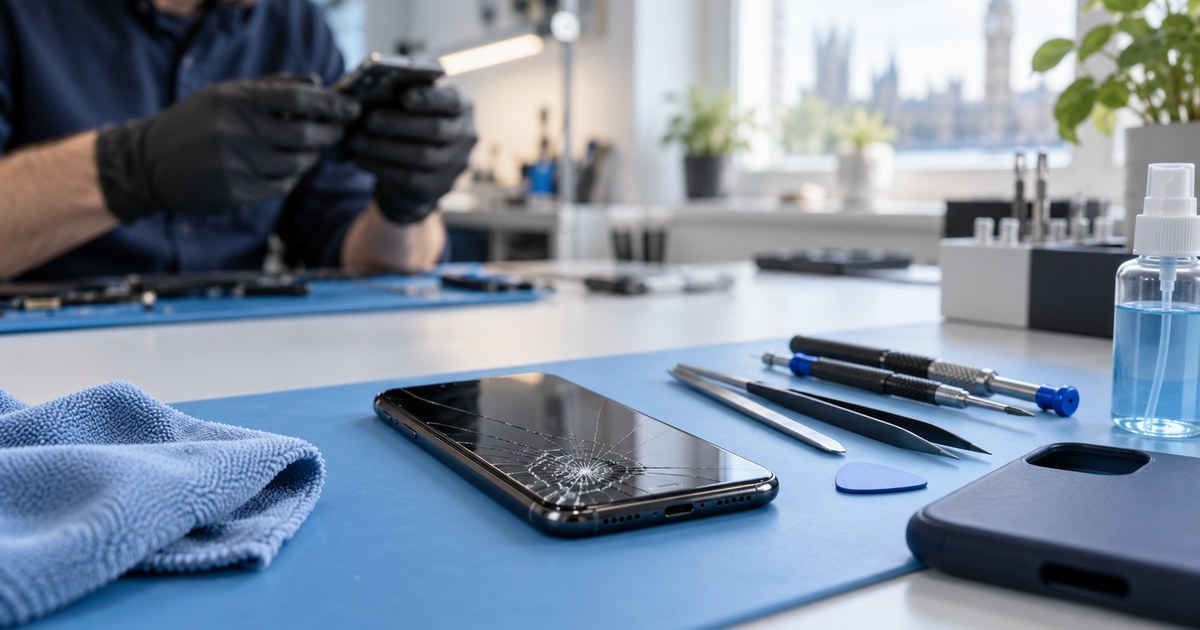

Smartphones have evolved from basic communication tools into indispensable hubs for daily life, remote work, digital banking, and personal entertainment. As mobile technology advances, display assemblies have become increasingly sophisticated, featuring high-refresh-rate OLED panels, intricate touch digitizers, and delicate glass layering. Consequently, physical damage—most notably a cracked or shattered screen—remains one of the most common and frustrating issues faced by smartphone owners across the United Kingdom. Promptly addressing display damage through professional technical channels is essential for preserving the functional longevity and resale value of modern devices.
Understanding the Anatomy of Smartphone Screen Damage
Accidental drops, blunt impacts, and pressure stress are the primary catalysts for mobile display failure. To understand why immediate repair is necessary, it is helpful to examine how modern smartphone screens are constructed. Today's mobile displays are multi-layered assemblies engineered for optimal clarity and responsiveness:
- Outer Glass Lens: The top protective glass layer designed to resist scratches and absorb minor surface impacts.
- Touch Digitizer: The glass panel integrated with touch sensors that register user gestures, taps, and swipes.
- Display Panel (OLED/LCD): The primary visual component responsible for rendering images, vibrant colors, and user interfaces.
When a phone is dropped, impact force often fractures the top glass. While the phone may remain partially usable if the touch digitizer and underlying OLED matrix remain intact, leaving cracked glass unaddressed introduces significant long-term risks. Micro-fractures gradually expand due to daily thermal expansion and physical stress. Furthermore, moisture, dust, and atmospheric humidity easily penetrate glass fissures, corroding internal circuit boards and delicate connectors over time. Engaging a trusted iPhone screen repair specialist prevents secondary component failure and restores full structural integrity to the device.
Evaluating Professional Repair vs. DIY Screen Replacement
Faced with a damaged display, device owners often weigh the options between self-repair kits and professional technical services. While DIY repair guides and inexpensive tool kits are widely available online, self-repair carries substantial risks for modern hardware. Contemporary smartphones feature tightly sealed chassis bound by waterproof adhesives, delicate ribbon cables, and specialized proprietary screws.
Attempting a manual repair without specialized diagnostic equipment and static-safe environments frequently leads to torn flex cables, damaged face recognition sensors, compromised battery safety, or permanent motherboard shorts. Professional UK device repair centers, by contrast, utilize precision heat stations, specialized suction equipment, and ESD-safe workspaces to ensure safe disassemblies and seamless component installations.
Key Criteria for Selecting a UK Device Repair Provider
Choosing the right repair technician is crucial for ensuring that replacement parts perform reliably over the lifespan of the phone. When evaluating service providers across the UK, device owners should prioritize several core technical standards:
- Component Quality & Grade: Ensure the service provider uses premium, factory-tested replacement assemblies that maintain high brightness levels, precise color calibration, and fluid touch response.
- Technician Certification & Experience: Qualified technicians possess extensive experience in handling delicate micro-electronics, battery replacements, and specialized glass refurbishment.
- Clear Pricing & Diagnostic Transparency: Reputable repair centers provide upfront cost estimates without hidden diagnostic fees or surprise add-ons.
- Comprehensive Service Warranty: A robust warranty covering both replacement parts and repair labor reflects technical confidence and guarantees customer protection.
- Turnaround Time & Convenience: Fast same-day local walk-in services or secure express mail-in repair options ensure minimal disruption to personal and professional routines.
Protective Practices to Prevent Future Display Damage
While professional repair services effectively resolve existing physical damage, adopting proactive protective habits minimizes the likelihood of future screen breaks. Combining physical shielding with careful handling habits extends device durability significantly:
- High-Grade Tempered Glass Protectors: Installing 9H hardness tempered glass overlays provides a sacrificial barrier that absorbs direct impact energy during drops, leaving the underlying factory screen unharmed.
- Shock-Absorbent Protective Cases: Utilizing protective cases with raised corner bumpers and elevated front bezels prevents the glass screen from making direct contact with hard ground surfaces during falls.
- Safe Device Storage: Avoid storing smartphones in pockets alongside loose keys, metal coins, or heavy objects that cause localized pressure points and surface scratches.
By prioritizing timely professional repairs and implementing consistent physical safeguards, UK mobile users can maintain optimal device performance, flawless visual quality, and long-term hardware reliability.