
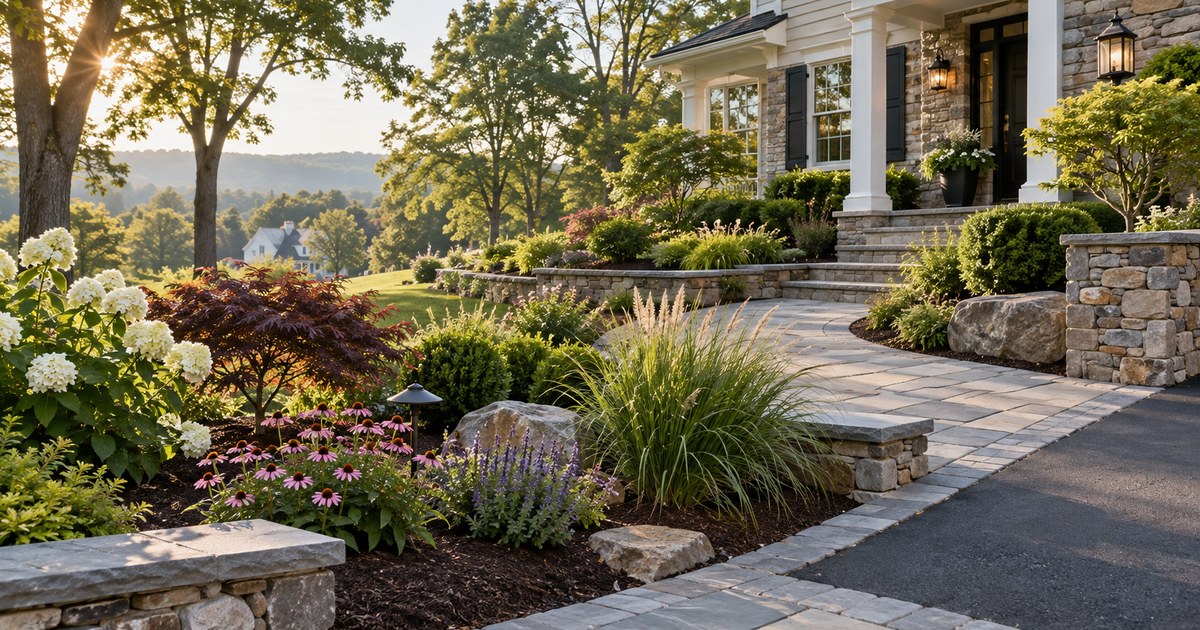

A landscape project goes wrong in the sourcing, not in the drawing. The plan can be excellent and still fail because the stone was wrong for the climate, the plants were not actually available, or the material arrived three weeks late and the crew had already moved on. For designers working in Bergen County, Kirk Allen Landscape Supply Bergen County is the supplier that removes most of those failures, and knowing what to ask them for is the skill that separates a smooth install from an expensive one.
Start With the Site, Not the Catalog
Before choosing a single material, document what the site actually is. Sun exposure through the day, where water sits after rain, the soil you have rather than the soil you want, and how the client uses the space. A patio specified for a spot that gets runoff will heave in the first winter regardless of how good the stone looked in a sample.
This is also where the client's real habits belong. A household with dogs and children needs different surfaces than one that entertains outdoors twice a year. Designing for the life that will be lived there, instead of for the photograph, is what makes a project hold up after the first season.
The Materials That Decide the Result
Three choices carry most of the outcome:
- Hardscape. Pavers, walls and edging set the structure and the budget. Local stone costs more upfront and survives freeze-thaw cycles that split cheaper material.
- Plants. Species suited to Bergen County's zone will establish. Specimens chosen because they looked good at the nursery will be replaced within two years.
- Drainage. Grading and where the water goes is invisible in the finished photos and responsible for most of the callbacks. Settle it before anything is planted.
Lighting is the addition that changes how the space gets used, extending it into the evening, and it is far cheaper to conduit for during construction than to retrofit afterward.
Working With the Supplier
A good supplier relationship is about lead times and honesty, not discounts. Ask what is in stock versus what has to be ordered, and build the schedule around the second one. Confirm quantities with a waste allowance, because running short mid-install means a dye lot or quarry run that does not match. And ask what the material does in this specific climate, because a yard that has sold it locally for years has watched it fail and succeed and will tell you which is likely.
Kirk Allen's range covers the hardscape and plant material a Bergen County project typically needs, so consolidating the order there keeps the deliveries coordinated instead of staggered across three vendors who do not know about each other.
Building It to Last
Durability and lower upkeep come from ordinary choices made early. Native and adapted plants need less water and fewer replacements. Permeable surfaces handle stormwater instead of shedding it into the neighbor's yard or a flooded basement. Setting irrigation to the soil and the exposure, rather than to a default timer, cuts both the water bill and the plant losses.
These are also the choices that protect the value of the work. A landscape that drains correctly and does not need replanting every spring is the one the client recommends to the house next door. Specify for the decade after installation, not for the week of it, and the supplier you trust is the one who will talk you out of the materials that will not get you there.
Planning the Project So It Finishes
Most landscape overruns are scheduling failures disguised as material problems. Work backward from the planting window. In Bergen County that means getting plants in the ground in spring or early fall, which means hardscape done before then, which means materials ordered before that. A design approved in May for a June install is already late.
Write the scope down before anyone breaks ground: what is included, what the client is supplying, and what happens when the excavation hits ledge or an old septic line, both common in this area. Agreeing on the change-order process in advance keeps a surprise in the ground from becoming an argument about the invoice.
Stage deliveries to match the work. Stone dumped three weeks early blocks the site and risks being damaged. Plants delivered three days early sit in the sun and decline. A supplier who will schedule drops to your sequence, rather than to their route, is saving the project money even when the unit price is identical.
Handing It Over
The project is not finished when the crew leaves. Walk the site with the client and show them how to maintain what was installed: watering through the first season, where the irrigation zones run, when the plantings should be pruned, and what is normal winter dieback versus a problem. Clients kill more new landscapes in the first year than weather does, almost always through overwatering or neglect they were never instructed about.
Leave them the plant list and the material specifications. Two years later, when one shrub fails or they want to extend the patio, that list is what lets the next phase match the first. It is a small document and it is the difference between a landscape that stays coherent and one that accumulates mismatches.
Budgeting Without Surprises
Landscape budgets blow up in predictable places, so price them on purpose. Hardscape dominates the cost and is where substituting cheap material hurts most, since replacing failed pavers costs more than buying the right ones first. Plant material is the smaller line and the one clients cut, which is backward, because undersized plants take years to fill in and the client blames the design.
Hold a contingency of at least ten to fifteen percent. Bergen County yards hide ledge, old drainage and buried debris, and discovering them mid-excavation is normal rather than exceptional. A budget with no contingency becomes a negotiation at the worst possible moment, when the yard is already torn up and the client feels cornered.
Spend the design time before spending the installation money. A few extra hours resolving drainage and material choices on paper costs little. The same decisions made after the crew is on site cost a change order each. The projects that finish on budget are almost always the ones that were slowest to start.
A Maintenance Plan Worth Handing Over
The first two years decide whether a landscape thrives, and they need a schedule rather than goodwill. Water deeply and less often so roots chase moisture downward. Mulch to hold that moisture and suppress weeds, keeping it off the crowns of the plants. Prune at the right season for each species, which the plant list you left behind makes easy to look up.
Tell the client what warrants a call and what does not. One brown shrub in August is usually water. Several declining at once is drainage or soil, and it is cheaper to diagnose in the first season than to replant in the third. A short written care calendar, one page covering the year, turns a finished install into one that still looks intentional when you drive past it later. That page, more than any single plant choice, is what protects the work you did. Landscapes that last are settled before the first plant goes in: drainage resolved, materials chosen for the climate, and a care plan left in the client's hands. Rush those and someone will be replanting within two seasons.